In a political landscape where confrontation often passes for method, the URD has made dialogue a principle of action. This choice does not mean agreement: it reflects the conviction that a lasting reform, especially an electoral one, can only come from an agreement between those who compete for power.
2013: talk, then draw the consequences
In 2013, Danièle Boni-Claverie spoke for four parties that took part in seven dialogue sessions with the government before withdrawing from local elections, for lack of progress on the composition of the electoral commission, party funding and the situation of detainees.
2019: a call to resume dialogue
In September 2019, the URD denounced an electoral reform adopted without consensus and called for talks between the government and the opposition to resume.
2024-2025: direct exchanges
On 15 May 2024, the URD President received Cissé Bacongo of the RHDP for a discussion on the prospect of peaceful elections in 2025. On 16 July 2025, she took part in the first meeting between CAP-CI and the ruling party.
2026: a proposal on the table
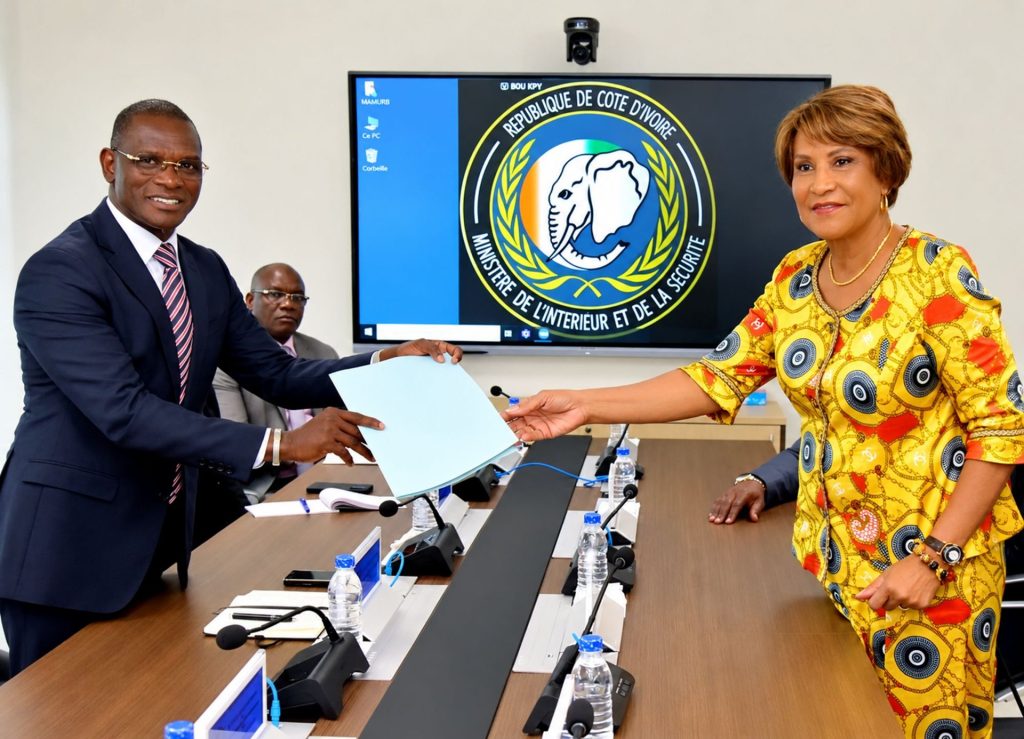
After the CEI was dissolved, the URD put an inclusive political dialogue before any parliamentary vote on the reform at the top of its recommendations. On 2 October 2026, its President handed the party’s proposal to the Minister of the Interior during a meeting held in what was described as a calm and constructive atmosphere.
A country cannot be governed lastingly by force or by fear, but by trust.
Danièle Boni-Claverie, statement of September 2026